Our Top Wilson Soft Play Outdoor Volleyball Picks (and the Best Alternatives)
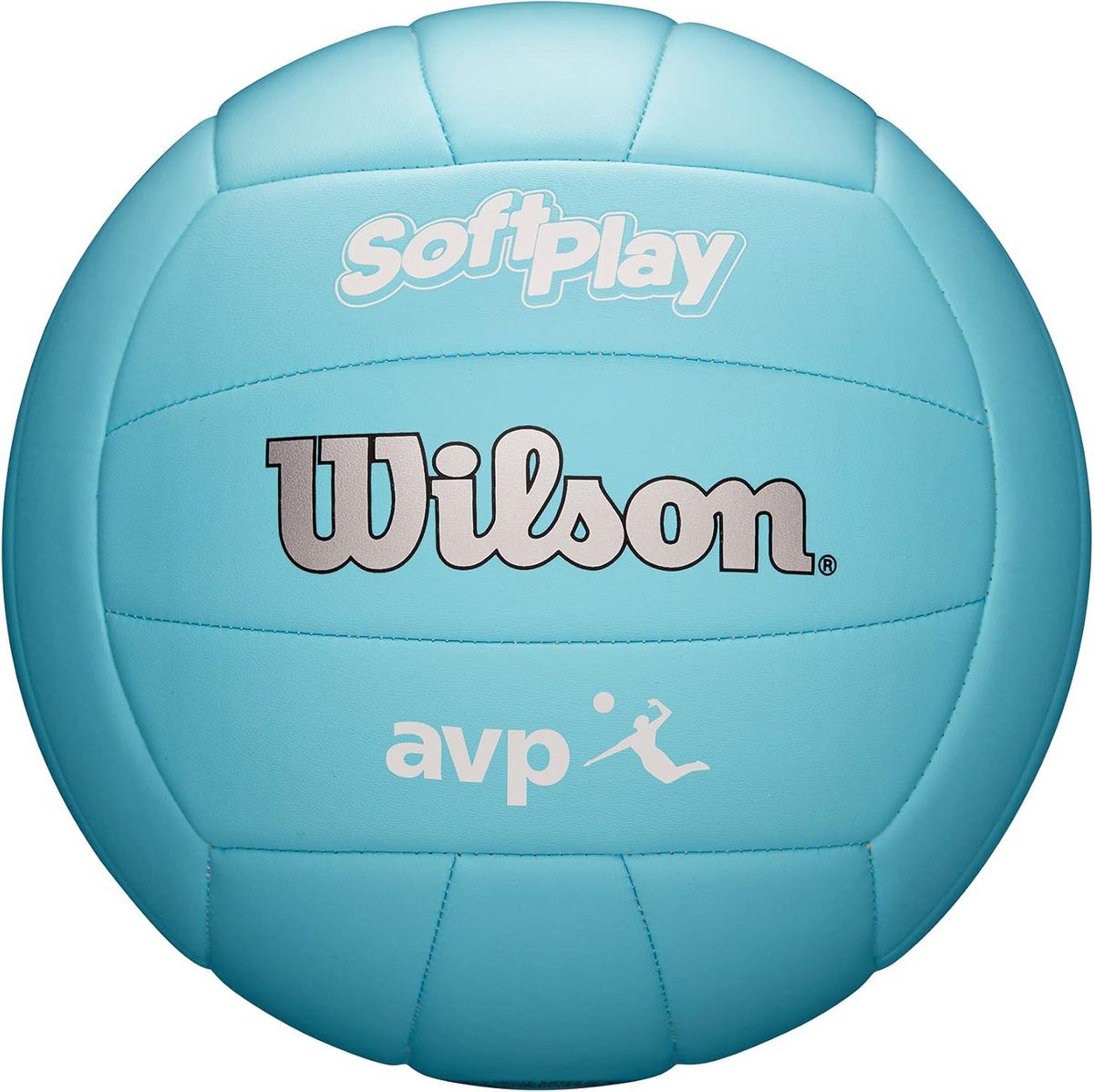
Your first volleyball doesn’t need to be expensive, it needs to be forgiving. A ball that stings on contact discourages new players from the sport before they’ve had a chance to enjoy it. That’s the whole point of soft play technology: a sponge-backed cover that cushions impact so you can focus on learning the game rather than dreading the ball.
The Wilson Soft Play has been a go-to for beginners and casual players for years, and the updated AVP version is the best it’s ever been. But it’s not the only option worth knowing about. Below are seven balls, from budget-friendly backyard picks to a proper beach competition ball, so you can match the right ball to how you actually play.
Quick Picks
| Role | Product | Buy |
|---|---|---|
| Best Overall | Wilson AVP Soft Play Volleyball (Blue) | Check on Amazon → |
| Best Budget / Includes Pump | GoSports Soft Touch Recreational Volleyball | Check on Amazon → |
| Best Premium | Mikasa VLS300 Beach Champ | Check on Amazon → |
At a Glance
| Product | Role | Best For |
|---|---|---|
| Wilson AVP Soft Play (Blue) | Beginners, recreational outdoor play | Amazon → |
| Wilson Super Soft Play | Young beginners, family games | Amazon → |
| Mikasa VLS300 Beach Champ | Serious beach play, experienced players | Amazon → |
| GoSports Soft Touch | Buyers who need a pump included | Amazon → |
| Baden Match Point | Durable backyard and camp play | Amazon → |
| Baden SandShark | Sand and beach conditions | Amazon → |
| Wilson AVP Soft Play (White) | Players who want high visibility | Amazon → |
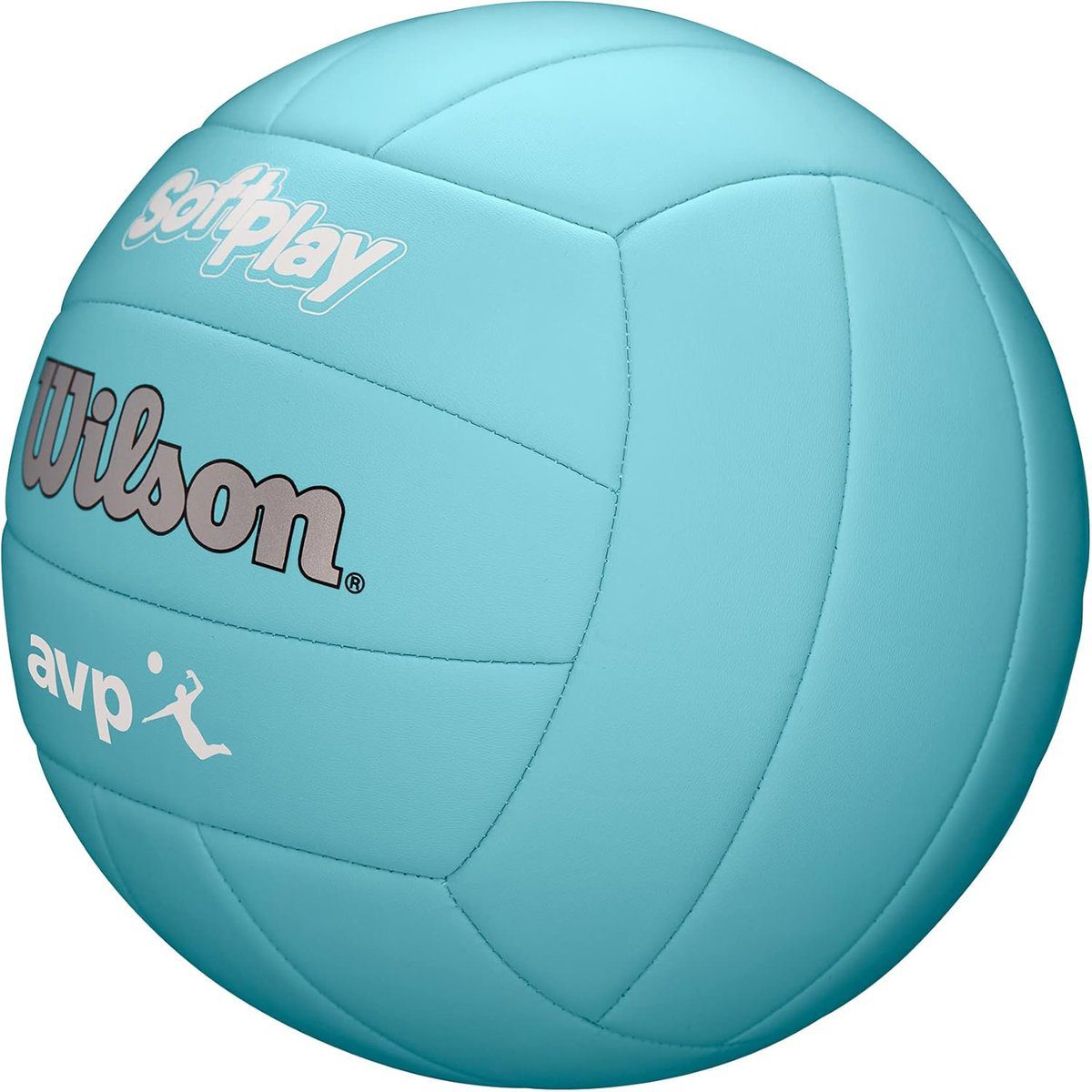
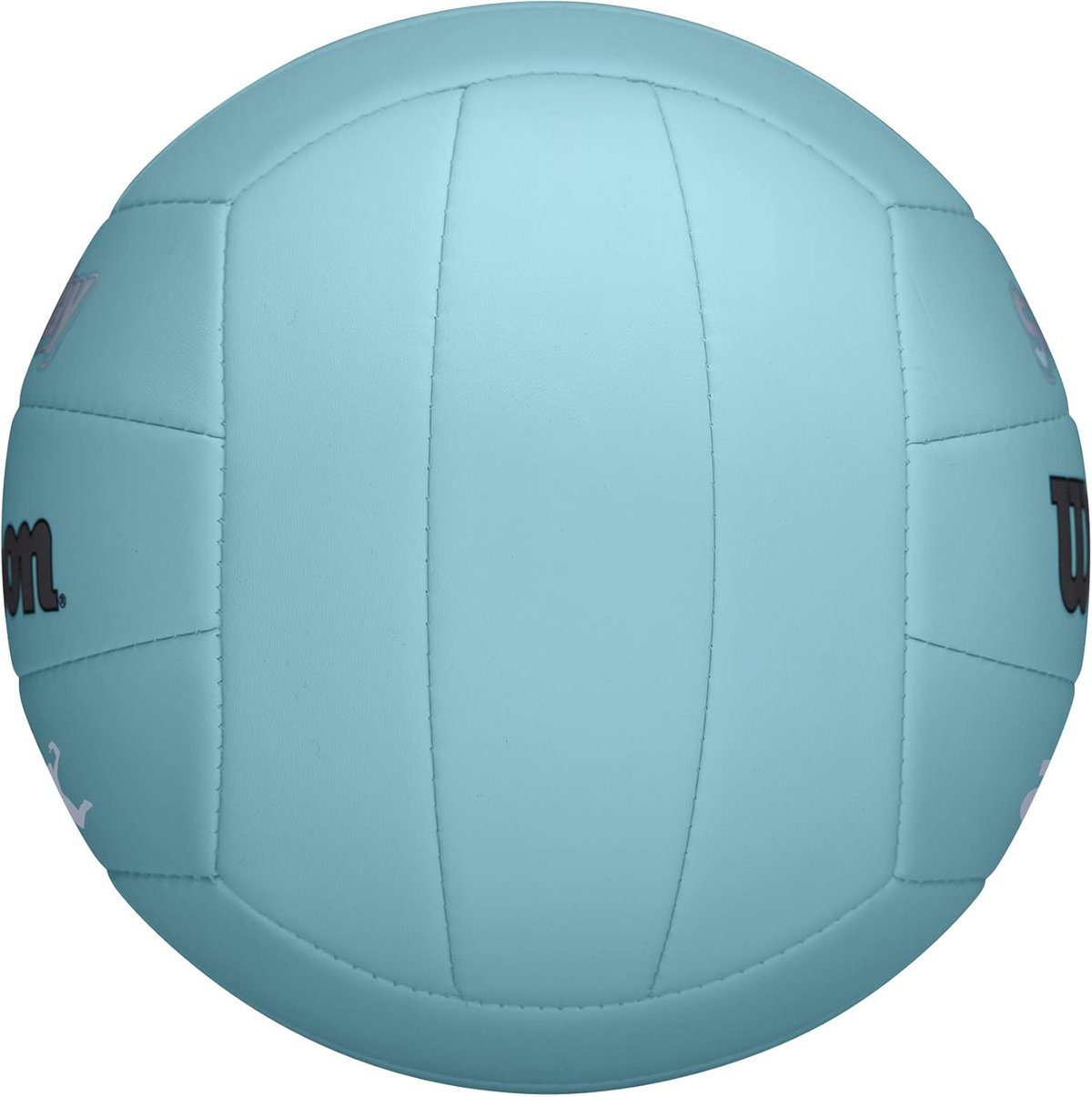
Wilson AVP Soft Play Volleyball (Blue) – Best Overall
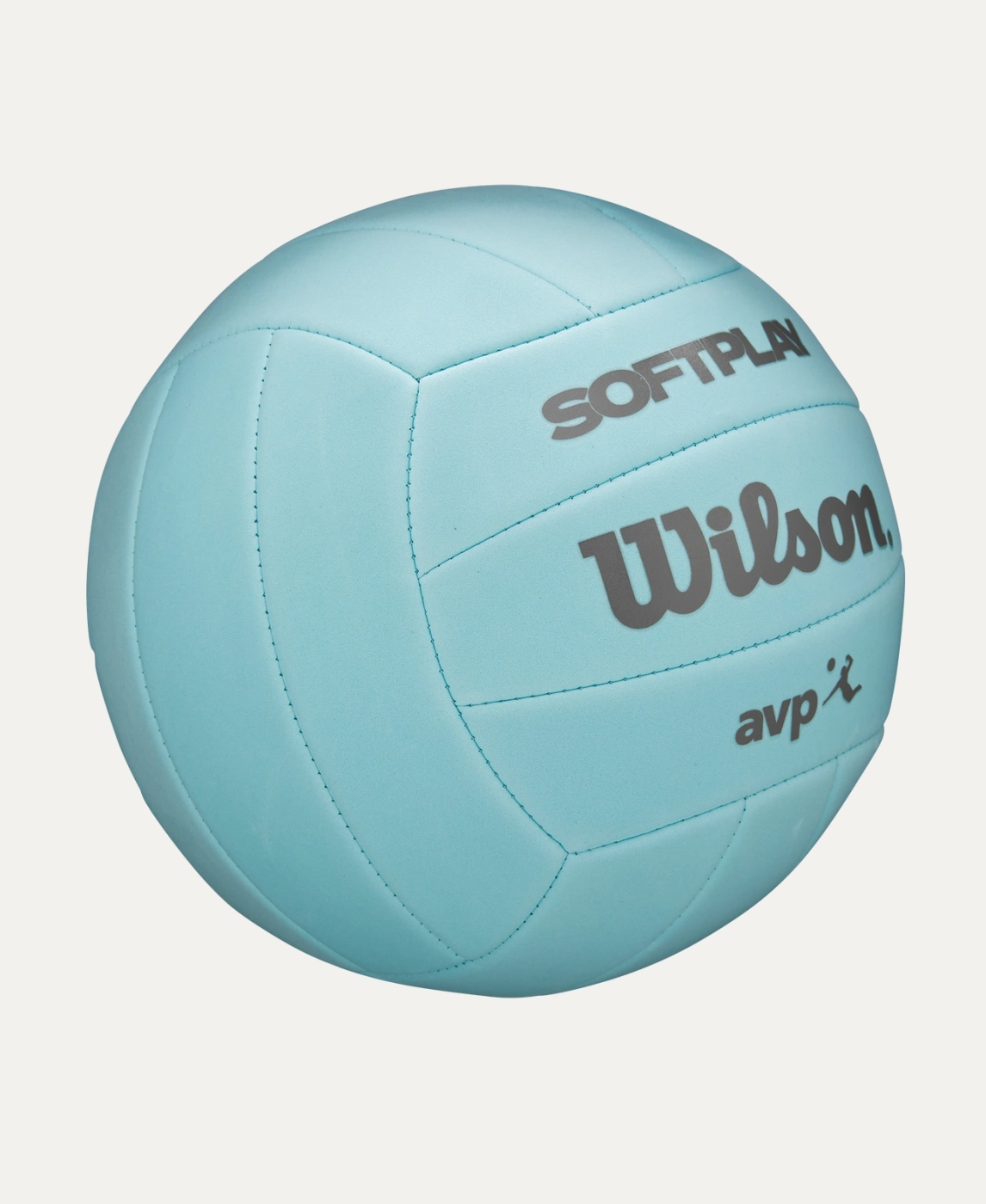
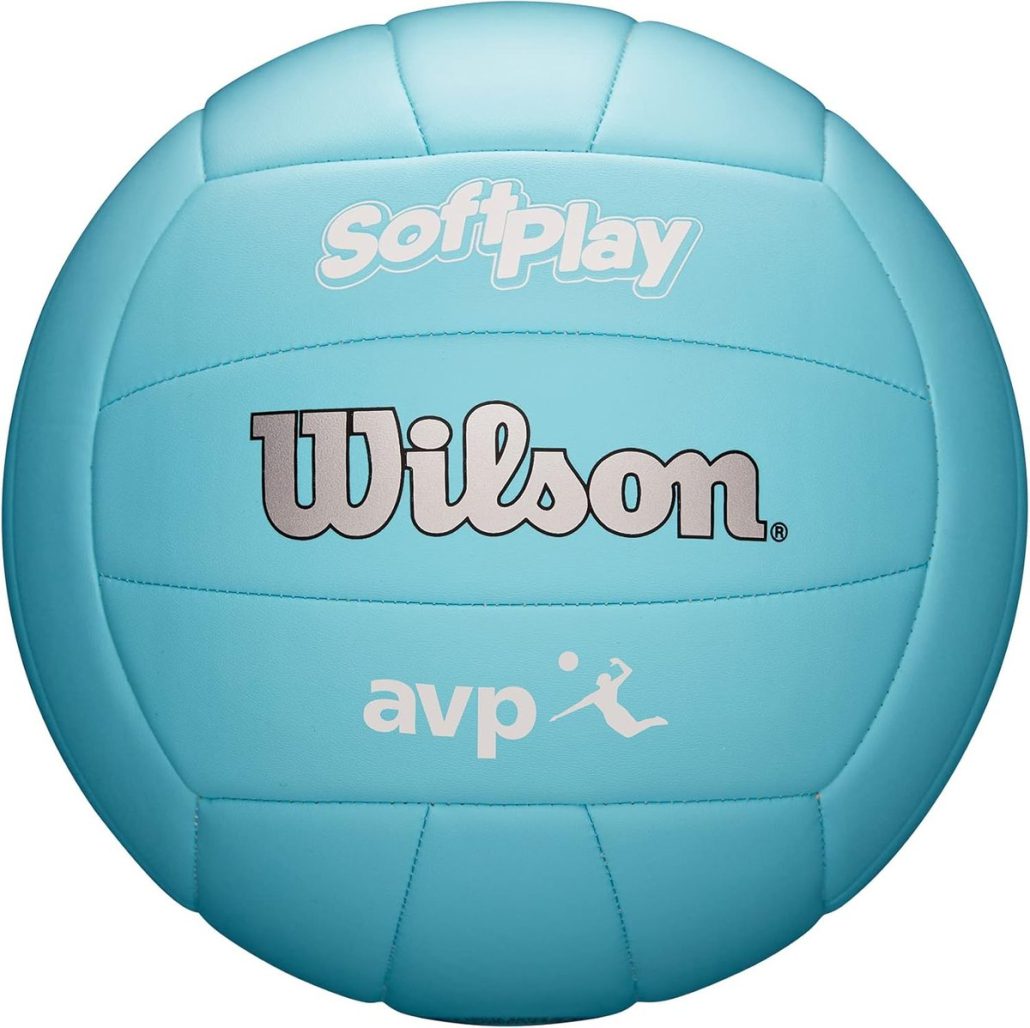
The Wilson AVP Soft Play is the updated version of the ball we originally reviewed back in 2018, and it’s meaningfully better. The sponge-backed synthetic leather cover is what sets it apart from standard outdoor balls, it absorbs some of the impact on contact, so passing and serving don’t punish your forearms the way a composite or leather ball does.
It uses an 18-panel machine-sewn construction, which holds its shape well through extended play. Importantly, the butyl rubber bladder does a solid job retaining air, you won’t be hunting for a pump after every session. It’s listed for ages 13 and up, and that tracks: younger kids may find even this ball a bit firm, which is where the Super Soft variant (below) comes in.
One thing to know: like all soft-play balls, this one will absorb water if it sits in a pool or gets left out in rain. It’s not built for submersion. Let it dry before storing and it’ll last considerably longer.
| ✓ Pros | ✗ Cons |
|---|---|
| Genuine soft-touch feel — noticeably more forgiving than composite outdoor balls | Not waterproof — absorbs water if submerged or left in rain |
| Butyl bladder holds air well between sessions | Not suitable for official competition play |
| Official size and weight — usable for drills and casual competitive play | Blue colourway can be harder to track on bright sunny days |
Wilson Super Soft Play Volleyball – Best for Young Beginners
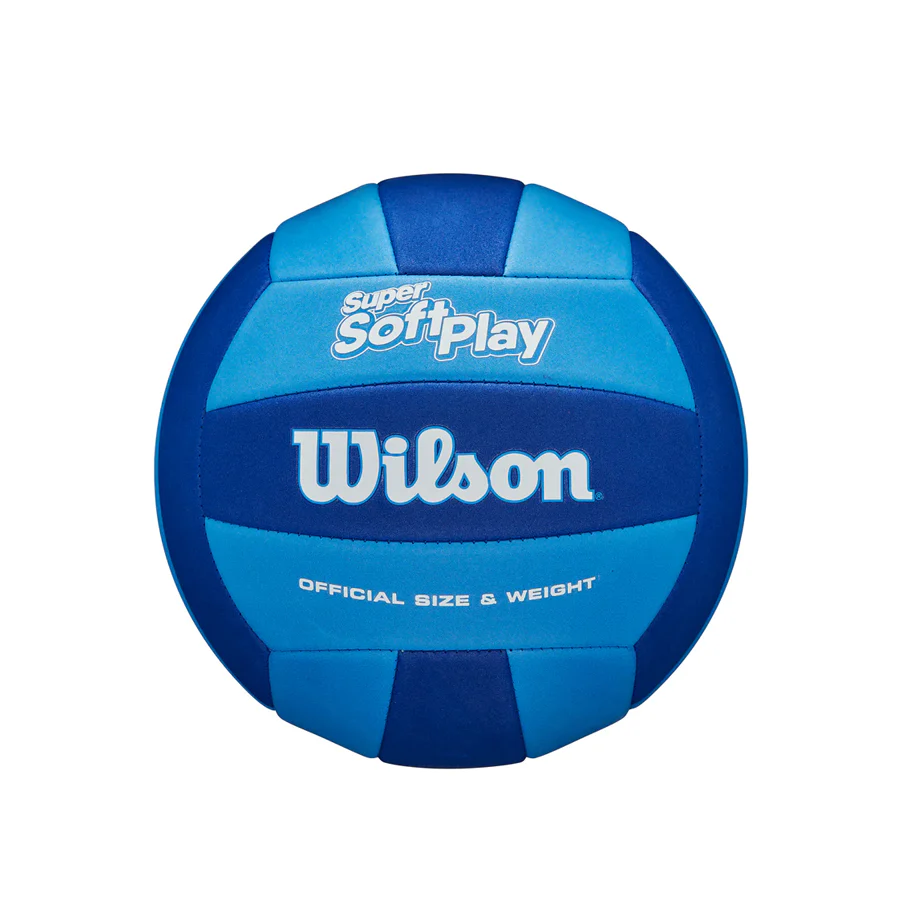
If the standard AVP Soft Play is for teens and adults learning the game, the Super Soft Play is for anyone younger or anyone who finds even soft-play balls a bit harsh on the arms. Wilson’s Super Soft construction takes the sponge-backed cover concept further, the result is a ball that’s noticeably gentler on contact without sacrificing too much control.
It’s the right call for kids in the 8–13 range, family backyard games where not everyone plays regularly, or any situation where reducing the intimidation factor matters more than playing at an exact spec. It’s still official size, so the feel transfers to a standard ball when players are ready to move up.
| ✓ Pros | ✗ Cons |
|---|---|
| Softer contact than the standard AVP model — less sting on forearms | Less responsive than the standard AVP Soft Play for players with some experience |
| Official size so the transition to a standard ball is straightforward | Price not currently confirmed — check Amazon for latest |
| Good for mixed-age family and backyard games | Same waterlogging caveat as all Wilson soft-play balls |
Mikasa VLS300 Beach Champ – Best Premium
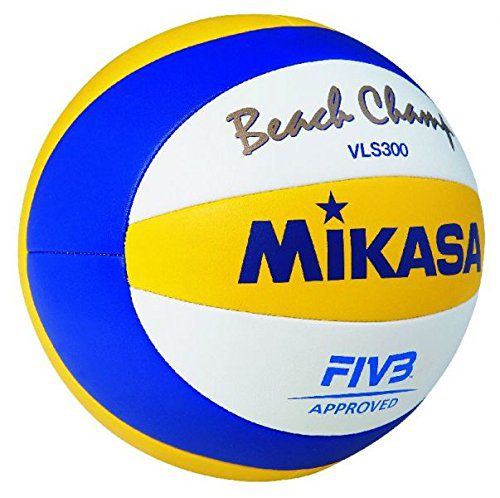
The VLS300 is in a different category to the soft-play balls above, this is the official FIVB beach volleyball, used in top-level outdoor and beach competitions worldwide. If you’ve built up some skill and want to play with a ball that matches real beach volleyball specs, this is it.
The dimpled surface is the key differentiator: those small indentations improve aerodynamics outdoors, giving the ball more predictable flight in wind. The 18-panel design and water-resistant cover make it usable on sand without the waterlogging concern that affects soft-play balls.
Worth noting: this is not a beginner ball. It’s firmer, heavier-feeling on contact, and designed for players who pass and hit with proper technique. But if someone in your group is at that level and wants to use a proper game ball, the VLS300 is the one to get.
| ✓ Pros | ✗ Cons |
|---|---|
| Official FIVB beach game ball — actual competition-level quality | Firmer contact — not suitable as a first ball for beginners |
| Dimpled surface for better outdoor flight and wind resistance | Higher price point than recreational balls |
| Water-resistant cover — no waterlogging concern | Overkill for casual backyard play |
GoSports Soft Touch Recreational Volleyball – Best Value
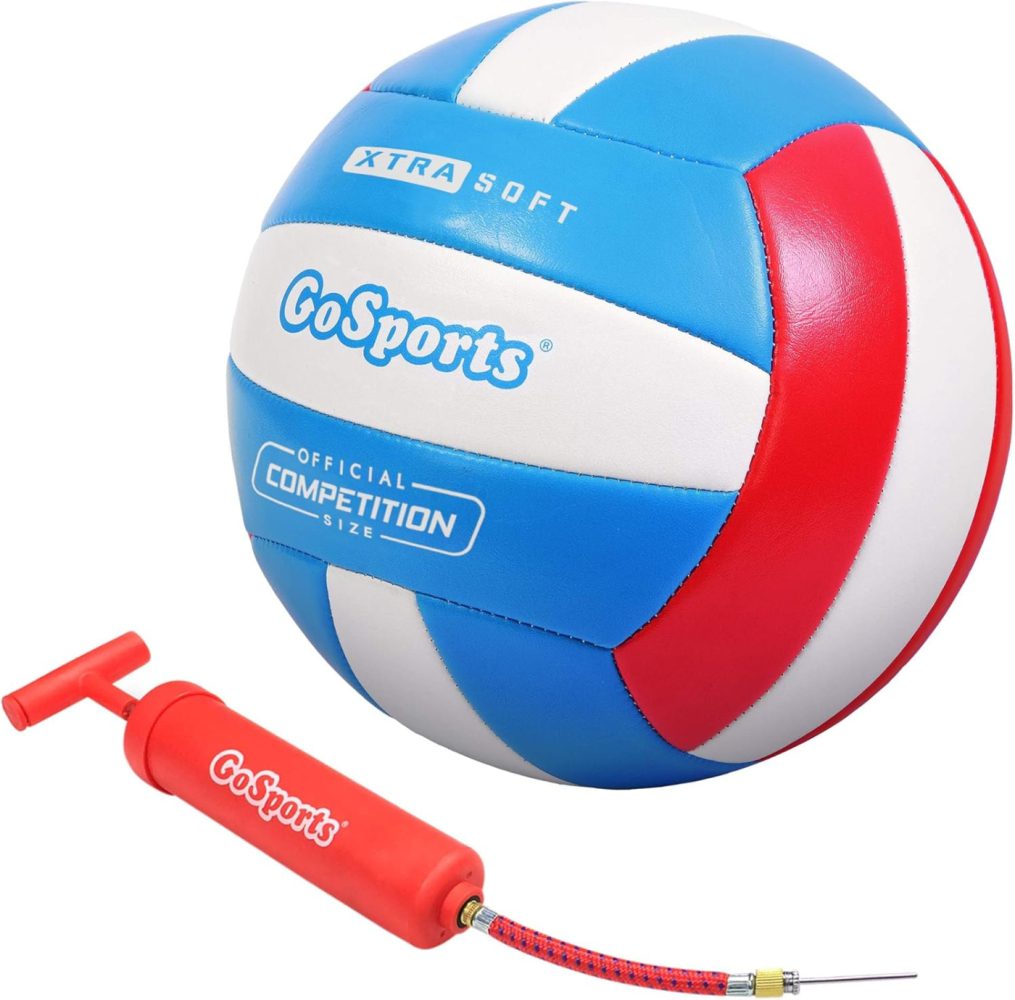
The practical argument for the GoSports Soft Touch is simple: it includes a ball pump. That matters more than it sounds — most volleyballs ship slightly deflated and require you to own or borrow a pump before the first game. If you don’t already have one, buying a ball that bundles one in saves a separate trip.
The ball itself is regulation size with a soft-touch PU cover that’s comfortable to play with. It won’t match the Wilson AVP’s brand pedigree or the Mikasa’s competition credentials, but for backyard and casual outdoor play it does the job reliably. A good choice if you’re buying a ball for a group, a school, or a family who wants to get started without hunting down accessories.
| ✓ Pros | ✗ Cons |
|---|---|
| Includes a ball pump — ready to play out of the box | Brand less established than Wilson or Mikasa in the volleyball category |
| Regulation size and soft-touch cover for comfortable recreational play | PU cover may wear faster than synthetic leather under heavy outdoor use |
| Available in single or 6-pack for groups and clubs | Price not currently confirmed — check Amazon for latest |
Baden Match Point Volleyball – Best for Backyard and Camp Play
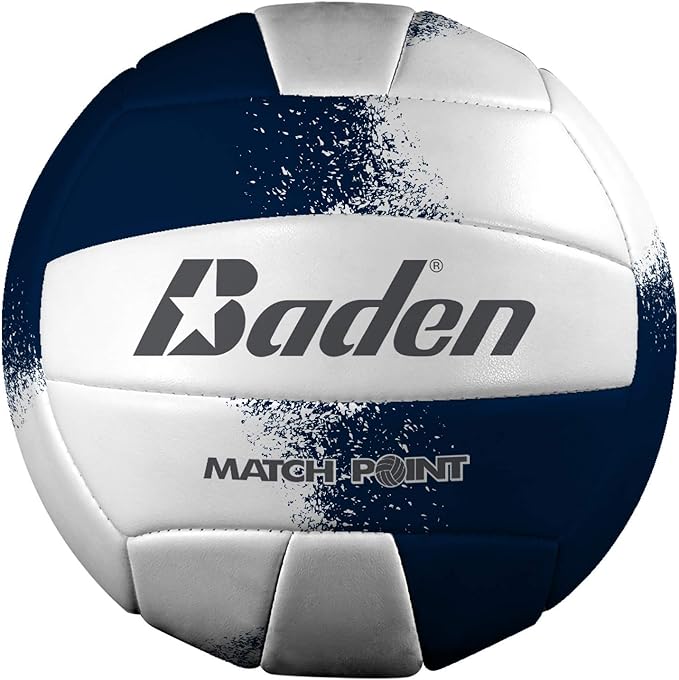
Baden makes reliable recreational sports equipment, and the Match Point is their outdoor volleyball sweet spot: cushioned synthetic leather cover, official size 5, machine-sewn construction that holds up through repeated use. It’s designed with backyard play, outdoor recreation, and college and camp settings in mind — which tells you something about its durability.
The cushioned cover is the main selling point here. It’s a step up from bare synthetic leather in terms of arm comfort, though not quite as plush as Wilson’s dedicated soft-play construction. Worth considering if you want something durable enough to leave outside in a bag and pick up whenever — it handles rough use better than most soft-play balls.
| ✓ Pros | ✗ Cons |
|---|---|
| Cushioned cover comfortable for extended play | Less soft than dedicated soft-play balls like the Wilson AVP |
| Durable enough for camp and high-repetition recreational use | Price not currently confirmed — check Amazon for latest |
| Official size 5 — good for drills and skill development | Fewer colour options than Wilson’s AVP range |
Baden SandShark Outdoor Beach Volleyball – Best for Sand
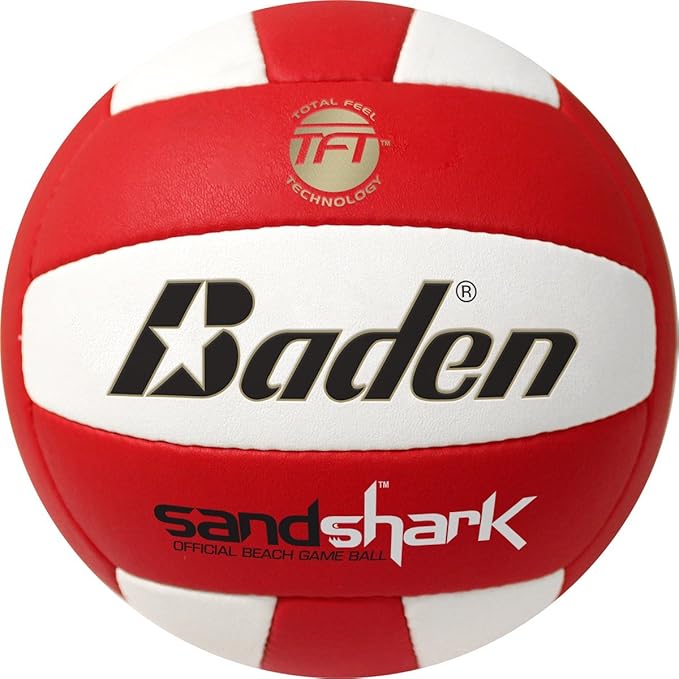
If you play primarily on sand or at the beach rather than on grass or hard courts, the SandShark is worth knowing about. Baden built it specifically for outdoor and beach conditions: composite cover that handles sand and moisture, durable seams that resist grit working into the stitching, and a weight and feel suited to open-air play where wind is a factor.
It sits between the recreational balls above and the Mikasa VLS300 in terms of spec and price. You’re not getting FIVB-level precision, but you’re getting a ball that’s more beach-appropriate than a standard backyard ball — and one that won’t absorb water the way the Wilson Soft Play will if it lands in a pool or gets splashed.
| ✓ Pros | ✗ Cons |
|---|---|
| Built specifically for sand and beach play conditions | Firmer feel than soft-play options — less ideal for complete beginners |
| Composite cover handles moisture and grit better than synthetic leather | Price not currently confirmed — check Amazon for latest |
| More weather-resistant than soft-play balls | Not as refined as the Mikasa VLS300 for serious beach play |
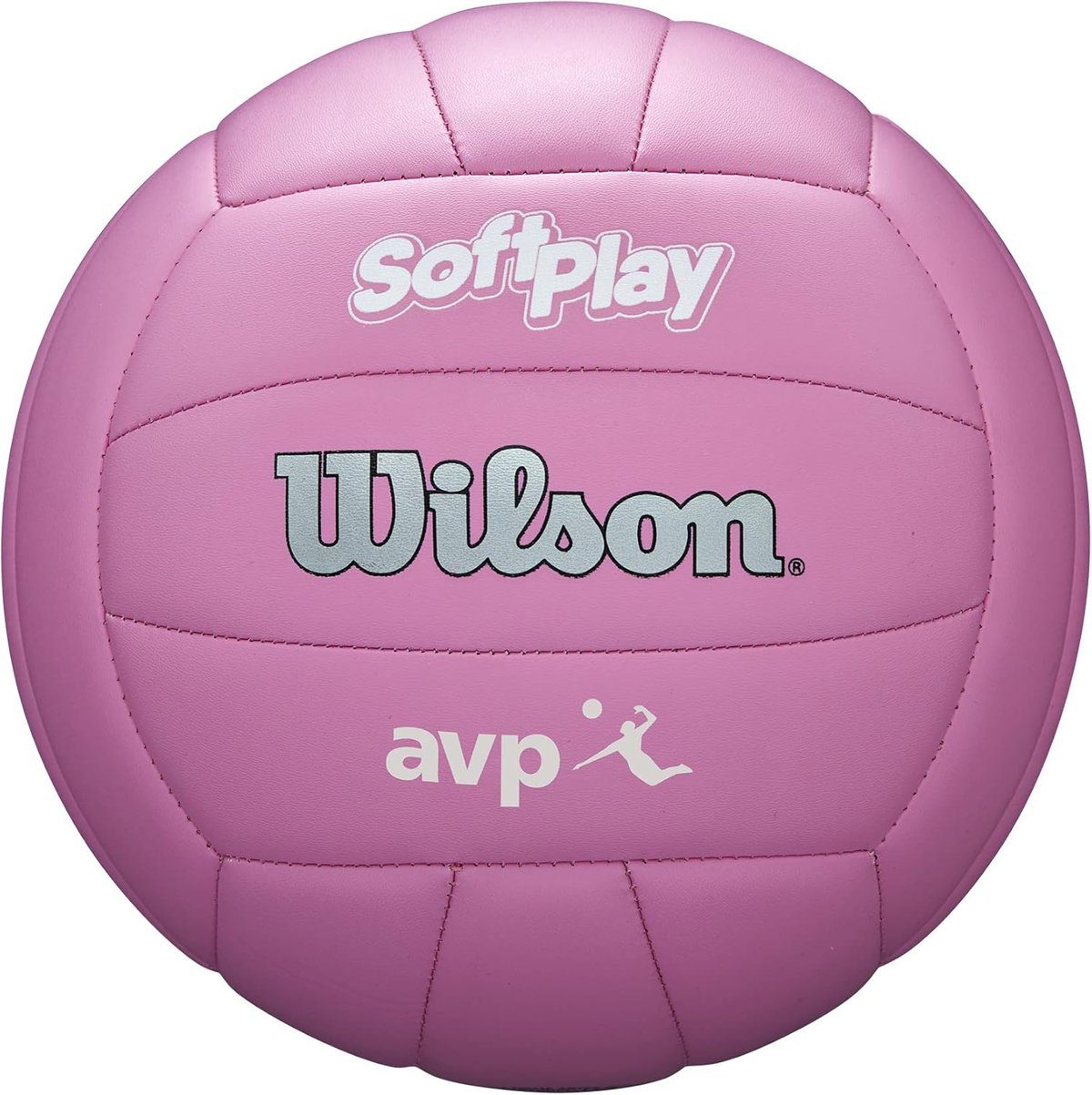
Wilson AVP Soft Play Volleyball (White) – Best Classic Colourway
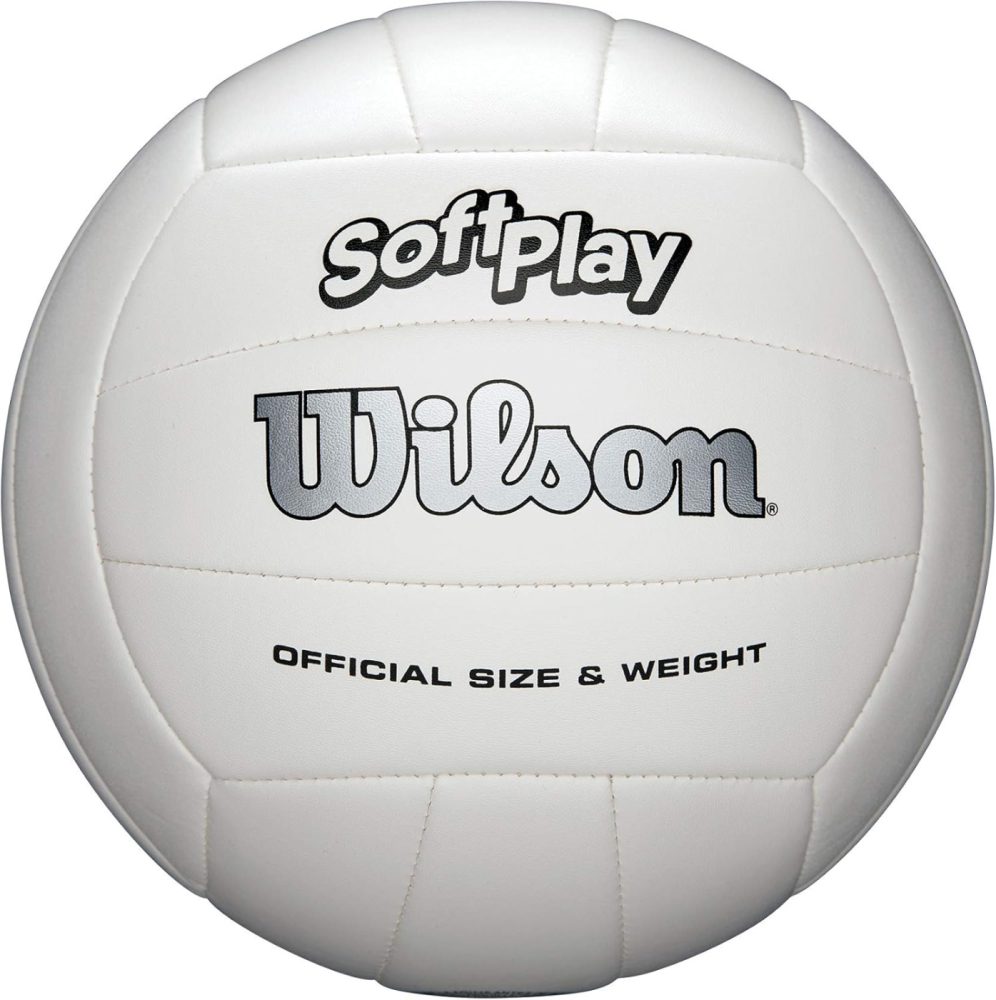
Same ball as the blue version above — same sponge-backed synthetic leather cover, same 18-panel construction, same butyl bladder — just in traditional white. White is easier to track against most outdoor surfaces and backgrounds, which makes a real difference in fast rallies. If you’re buying for a group and want a ball everyone can follow easily, white is the practical choice.
Everything said about the blue version applies here: great for beginners and recreational play, not waterproof, not competition-legal. Pick whichever colour works for your setting.
| ✓ Pros | ✗ Cons |
|---|---|
| Easiest colour to track against grass, sand, and most outdoor backgrounds | Shows dirt faster than coloured variants |
| Identical soft-play construction to the blue AVP | Price not currently confirmed — check Amazon for latest |
| Classic look preferred by many recreational players | Same waterlogging caveat applies |
Frequently Asked Questions
Is the Wilson Soft Play good for beach volleyball?
It works for casual beach play, but there’s a catch: the sponge-backed cover absorbs water if the ball gets submerged or stays wet. For backyard-near-beach or occasional sand use it’s fine — just dry it off before putting it away. For regular beach play where the ball might hit wet sand or get splashed, a composite cover ball like the Baden SandShark or Mikasa VLS300 is a better fit.
What size volleyball should a beginner use?
Most beginners aged 13 and up should use an official size 5 ball — all the balls on this list are size 5. If you’re buying for a child under 12, a size 4 ball is smaller and lighter, which makes it easier to control and less intimidating to play with. The transition to size 5 is straightforward once they’re comfortable with the basics.
Can I use an outdoor volleyball indoors?
Yes, but there are trade-offs. Outdoor volleyballs — especially composite-cover balls — are heavier and have a rougher texture than indoor balls. They’re fine for casual indoor play in a gym or driveway, but they won’t feel the same as a proper indoor ball. The Wilson AVP Soft Play is actually one of the better crossover options since its softer cover makes it feel less jarring on hard indoor surfaces.
How do I know if my volleyball is inflated correctly?
Standard inflation for a volleyball is 4.3 to 4.6 PSI. A properly inflated ball feels firm but yields very slightly when you press your thumb in hard. If it feels like a rock, it’s over-inflated. If it’s noticeably soft or floppy, add some air. A gauge is the reliable way to check — many ball pumps include one.
Final Verdict
For most people starting out with outdoor volleyball, the Wilson AVP Soft Play in blue is the right answer. At $15.94 it’s priced well, the soft-play construction makes learning the game less painful, and it holds air reliably between sessions. If you’re buying for younger kids, the Super Soft variant is the softer step down. If you’re playing regularly on sand, skip the soft-play balls entirely and go straight to the Baden SandShark or Mikasa VLS300.
The best ball is the one that gets used. Pick based on who’s playing and where, not on spec sheets – and get outside.